 New Arrival
 Mobile Phones
 Tablets
 Laptop
 TV
TV Accessories
 Kitchen Appliances
 Refrigerators
 Washing machines
 Air Conditioners
 Personal Care
 Home Automation
 Crockery
 Pressure Cookers
 Induction Cooktops
 Electric Kettles
  Air Fryer
 Chopper
 Wet Grinders
 Chimney
 Dish Washers
 Hand Blenders
 Ovens / Toasters /Grillers
 Gas Stoves
 Pots & Pans
 food-processor
 Dining-and-serveware
 Electric-cookers
 Fans
Fans Irons
Irons Water Heaters
 Water Purifier
 Air Coolers
 Vacuum Cleaners
 Sewing Machines
 Voltage Stabilizers
 Inverters
 Emergency Lights
 Water Dispenser
 Air Purifier
 Torch
Torch Mobile Accessories
 Smart Wearables
 Speakers
 Computer Accessories
 Camera Accessories
 Gaming & Accessories
 Entertainments
 Graphics Cards
 Microphone
 Car & Bike Essentials
 Power Banks
 Connectors
 Memory Cards
 Mobile Chargers & Cables
 Mobile Holders
 Smart Bands
 Sound Bars
 Home Theatres
 Portable/Trolley Speakers
 External Hard Disks
 Pendrives
 Mouse
Mouse Keyboards
 Web Cams
 USB Hubs
 Printers
 Monitor
 Network components
 Laptop-Tables
 Tripods
 Gaming Consoles
 TV Streaming Devices
 Smart Assistants
 FM Radio
 Shavers
 Hair Dryers
 Hair Straighteners
 Perfume
 Electric Toothbrush
 Projectors
 Smart Security Accessories
 Wi-Fi Camera
Water Heater Buying Guide: Instant vs Storage – Capacity, Power Consumption & Smart Choices
Buying a water heater can feel confusing because there are many options, from instant to storage models, each with different capacities and power usage. The right choice depends on your daily hot water needs, home size, and electricity consumption. This guide explains the difference between instant and storage water heaters, helps you understand capacity requirements, power consumption, and smart features, and makes it easier to choose a water heater that offers comfort, efficiency, and long-term value without unnecessary complexity.
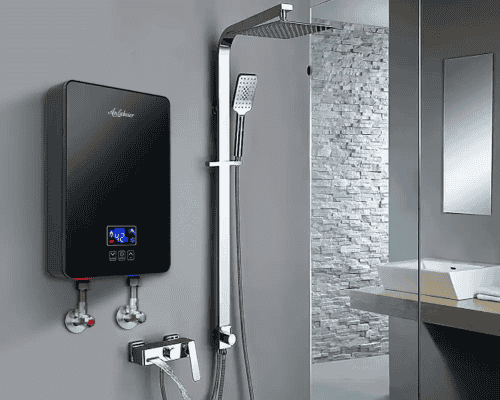
Buying a water heater is not something most people do often, but when they do, the decision has a long term impact on comfort, energy bills, and daily convenience. With rising electricity costs and smarter home appliances entering the market, choosing the best water heater today requires more than just checking the price tag.
This Water Heater Buying Guide: Instant vs Storage is designed to help you make a confident and informed purchase. Whether you are upgrading your bathroom, setting up a new home, or replacing an old unit, this guide explains everything clearly without technical jargon. We’ll compare instant and storage water heaters, explain capacity needs, analyze power consumption, explore smart water heater features, and help you understand the real water heater price vs value equation.
Understanding the Two Main Types of Water Heaters
Instant Water Heaters: Quick and Compact
Instant water heaters, as the name suggests, heat water on demand. There is no tank involved, so water flows through a heating element and gets heated instantly.
Best for:
- Small families or individuals
- Kitchens and single-bathroom homes
- Places with limited space
Key Advantages:
- Instant hot water with no waiting time
- Compact design saves wall space
- Lower initial cost
- Reduced heat loss (no stored water)
Things to Consider:
- Limited flow rate (not ideal for multiple outlets)
- Higher power draw during use
- Not suitable for bathtubs or rain showers
Storage Water Heaters: Consistent and Powerful
Storage water heaters come with a tank that stores heated water for later use. They are commonly found in homes with higher hot water demand.
Best for:
- Families with multiple bathrooms
- Bathtubs and rain showers
- Homes with predictable usage patterns
Key Advantages:
- Consistent water temperature
- Can supply hot water to multiple taps
- Works well with low water pressure
Things to Consider:
- Requires more space
- Higher upfront cost
- Heat loss over time if not insulated well
Instant vs Storage Water Heater: Quick Comparison
Feature | Instant Water Heater | Storage Water Heater |
Water Availability | On-demand | Limited to tank size |
Space Requirement | Very compact | Requires wall space |
Power Consumption | High, short duration | Moderate, continuous, |
Ideal Usage | Kitchen, single shower | Full household |
Maintenance | Low | Moderate |
Long-Term Comfort | Medium | High |
How to Choose the Right Capacity
Capacity is one of the most important factors when selecting the best water heater.
Recommended Capacities
- 1–3 Liters: Kitchen use
- 6–10 Liters: Single bathroom (instant)
- 15–25 Liters: One bathroom (storage)
- 25–50 Liters: Multiple bathrooms or bathtubs
Choosing the wrong capacity often leads to dissatisfaction either running out of hot water or paying more than needed.
Power Consumption: What Impacts Your Electricity Bill
Power consumption depends on:
- Heater type (instant or storage)
- Wattage rating
- Daily usage habits
- Insulation quality
Instant Water Heater Power Use
- Consumes high power (3–6 kW) but only while in use
- Ideal for short-duration needs
Storage Water Heater Power Use
- Uses lower power (1.5–3 kW)
- Consumes energy over a longer period to maintain temperature
Smart Water Heater: Is It Worth It?
A smart water heater is not just a luxury, it can be a smart investment for modern homes.
Smart Features to Look For
- Digital temperature display
- App-based control
- Auto shut-off & scheduling
- Energy usage tracking
- Voice assistant compatibility
Benefits:
- Saves electricity by heating only when needed
- Enhances safety
- Improves user convenience
- Increases appliance lifespan
For tech savvy users and families, a smart water heater adds both comfort and efficiency.
Understanding Cost vs Value
Water heater prices depend on several factors, including:
- Type (instant or storage)
- Capacity
- Brand reputation
- Smart features
- Energy efficiency rating
General Price Range
- Instant Water Heater: Budget-friendly
- Storage Water Heater: Mid to premium range
- Smart Water Heater: Higher upfront cost, better long-term savings
Safety and Build Quality: Non-Negotiable Factors
When buying the best water heater, safety should never be compromised.
Must-Have Safety Features:
- Pressure relief valve
- Thermal cut-off
- Rust-proof inner tank
- Shock-proof body
High-quality materials and certified safety standards ensure peace of mind for years.
Installation and Maintenance Considerations
- Ensure proper wall strength for storage models
- Check electrical wiring compatibility
- Schedule annual servicing
- Clean the tank periodically to avoid sediment buildup
Proper installation directly affects performance and longevity.
Final Buying Tips for Smart Decision-Making
- Assess daily hot water needs honestly
- Compare power ratings and energy efficiency
- Choose the right capacity not too big, not too small
- Consider a smart water heater for long-term savings
- Balance water heater price with warranty and service support
(FAQs)
1. Which is better: instant or storage water heater?
It depends on usage. Instant heaters suit low-demand homes, while storage heaters are better for families.
2. What capacity water heater do I need for a family of four?
A 25–50 liter storage water heater is usually ideal.
3. Does a smart water heater save electricity?
Yes, smart scheduling and temperature control help reduce unnecessary power usage.
4. Is a higher water heater price always better?
Not always. Value comes from efficiency, durability, and features, not just cost.
5. How long does a water heater last?
On average, 8–12 years with proper maintenance.
6. Can instant water heaters handle rain showers?
Generally no. Storage heaters are better suited for high-flow showers.
Also Read: https://www.myg.in/blog/mobile...
Final Word: The Smart Way to Buy Your Water Heater
Once you’ve decided on the right type, capacity, and features, choosing a trusted place to buy your water heater is just as important. That’s where myG makes the difference. You can shop online at www.myg.in for fast delivery, easy returns, and exclusive online-only offers, or visit any of myG’s 140+ showrooms across all districts in Kerala, including authorized and restricted authorization outlets. Whether you prefer the convenience of online shopping or the confidence of seeing the product in person, MyG gives you the best of both worlds. Every water heater sold is 100% genuine, fully certified, covered by manufacturer warranty, and supported by expert in-store and online guidance so you don’t just buy a water heater, you buy complete peace of mind.
 Earphones