 New Arrival
 Mobile Phones
 Tablets
 Laptop
 TV
TV Accessories
 Home Appliances
 Air Conditioners
 Small Appliances
 Personal Care
 Home Automation
 Refrigerators
 Crockery
 Pressure Cookers
 Induction Cooktops
 Electric Kettles
  Air Fryer
 Chopper
 Wet Grinders
 Chimney
 Dish Washers
 Hand Blenders
 Ovens /Toasters /Grillers
 Gas Stoves
 Pots & Pans
 food-processor
 Dining-and-serveware
 Electric-cookers
 Fans
Fans Irons
Irons Water Heaters
 Water Purifier
 Air Coolers
 Vacuum Cleaners
 Sewing Machines
 Voltage Stabilizers
 Inverters
 Emergency Lights
 Water Dispenser
 Air Purifier
 Torch
Torch Mobile Accessories
 Smart Wearables
 Speakers
 Computer Accessories
 Camera Accessories
 Gaming & Accessories
 Entertainments
 Graphics Cards
 Microphone
 Car & Bike Essentials
 Power Banks
 Connectors
 Memory Cards
 Mobile Chargers & Cables
 Mobile Holders
 Smart Bands
 Sound Bars
 Home Theatres
 Portable/Trolley Speakers
 External Hard Disks
 Pendrives
 Mouse
Mouse Keyboards
 Web Cams
 USB Hubs
 Printers
 Monitor
 Network components
 Laptop-Tables
 Tripods
 Gaming Consoles
 TV Streaming Devices
 Smart Assistants
 FM Radio
 Shavers
 Hair Dryers
 Hair Straighteners
 Perfume
 Electric Toothbrush
 Projectors
 Smart Security Accessories
 Wi-Fi Camera
What Is an Air Cooler and How Does It Work? A Complete Guide for Indian Buyers
Air coolers are one of the most affordable and energy-efficient ways to stay comfortable during hot Indian summers. Unlike air conditioners, they use the natural process of evaporation to cool the air, making them simple to operate and economical to run. This guide explains what an air cooler is, how it works, the different types available in India, and how to choose the right one based on your room size, climate, and budget. Whether you are considering a personal cooler for a small bedroom or a powerful desert cooler for a large living space, understanding how air coolers function can help you make a smarter buying decision.
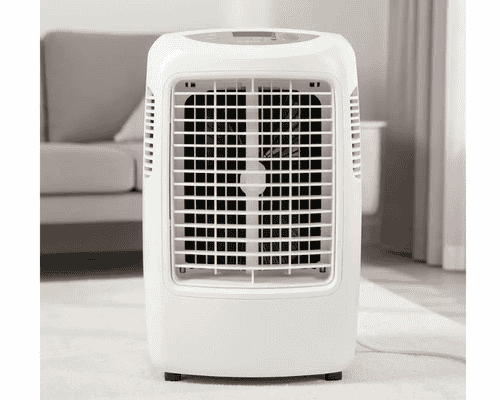
If you have ever sat through a scorching Indian summer without an air conditioner, you already know how unbearable the heat can get. Air coolers have quietly become the go-to solution for millions of homes across India and for good reason. They cost far less to buy, consume a fraction of the electricity, and work surprisingly well in hot, dry climates.
But here is the thing: not everyone knows exactly what an air cooler is, how it actually cools the air, or which one suits their room best. This guide breaks it all down in plain, simple language so you can make a confident buying decision.
What Is an Air Cooler?
An air cooler also called an evaporative cooler or desert cooler is an appliance that lowers the temperature of a room by passing warm air through water-soaked pads. As the warm air flows through these wet pads, the water evaporates, absorbing heat from the air. The result is cooler, fresher air circulating in your room.
Think of it like a natural breeze blowing over a lake on a summer afternoon cool, moist, and refreshing. That is essentially what an air cooler replicates indoors.
Unlike an air conditioner, an air cooler does not use a compressor or refrigerant. It is simpler, more affordable, and much easier to maintain. This is why air coolers remain one of the most popular cooling appliances in Indian households, especially in states like Rajasthan, Uttar Pradesh, Maharashtra, and Gujarat.
How Does an Air Cooler Work? The Science Made Simple
Understanding how an air cooler works helps you use it better and get maximum cooling out of it. The process involves four key components working together:
1. Water Tank — Stores water that keeps the cooling pads wet.
2. Cooling Pads (Honeycomb or Wood Wool) — These absorb water and are where the actual cooling happens.
3. Water Pump — Circulates water continuously over the cooling pads to keep them damp.
4. Fan/Blower — Draws warm air from outside the unit, forces it through the wet pads, and pushes the cooled air into the room.
The Step-by-Step Process
5. Warm air from the room (or outside through a window) is sucked into the cooler.
6. This warm air passes through the water-saturated cooling pads.
7. The water in the pads evaporates, drawing heat energy from the air.
8. The now-cooled air is blown into your room, reducing the temperature by 5–15°C depending on conditions.
Types of Air Coolers Available in India
Before you start searching for the best air coolers in India, it helps to know the different types so you pick the right one for your space.
1. Desert Air Coolers
Desert coolers are large, high-capacity units designed for big rooms, halls, or open spaces. They have a larger water tank (40–70 litres), powerful fans, and deliver strong airflow. These are best suited for dry, hot climates — think North and Central India.
• Best for: Large rooms, halls, open courtyards
• Coverage area: 300–600 sq. ft.
• Ideal climate: Hot and dry
2. Personal Air Coolers
Personal coolers are compact, portable units meant for small bedrooms, offices, or individual use. They are easy to move around, affordable, and consume very little power. However, their water tanks are smaller (10–30 litres), so they need more frequent refilling.
• Best for: Small bedrooms, study rooms, personal workspace
• Coverage area: 150–300 sq. ft.
• Ideal climate: Dry to semi-humid
3. Tower Air Coolers
Tower coolers are slim, vertical units that blend well with modern home interiors. They offer 360-degree airflow and are perfect for medium-sized rooms. Many tower models come with remote control, sleep mode, and other smart features.
Air Cooler vs Air Conditioner: Which One Should You Choose?
This is probably the most common question Indian buyers ask. Here is an honest comparison to help you decide:
Feature | Air Cooler | Air Conditioner |
Purchase Cost | ₹4,200+ – ₹20,000+ | ₹22,900 – ₹80,000+ |
Works Best In | Dry/arid climates | Any climate including humid |
Air Quality | Adds moisture to dry air | Can make air too dry |
Maintenance | Easy DIY maintenance | Annual service required |
Environment Impact | Eco-friendly, no refrigerant | Uses harmful refrigerants |
How to Choose the Best Air Cooler in India: 5 Key Factors
When you start comparing the best air coolers in India, these are the five factors that matter most:
1. Tank Capacity and Room Size
A rough rule of thumb: for every 1 litre of tank capacity, a cooler can effectively cool about 1 square metre of area. A 150 sq. ft. bedroom does well with a 15–20 litre cooler. A large living room of 300+ sq. ft. needs a 40+ litre desert cooler.
2. Cooling Pad Type: Honeycomb vs Wood Wool
Honeycomb pads are more efficient, last longer, and cool better. Wood wool pads are cheaper but need replacing more frequently. If you are buying a new air cooler, look for models with honeycomb pads — they deliver noticeably better performance.
3. Air Throw and Fan Speed
Check the air throw distance — this tells you how far the cooled air travels. For a 300 sq. ft. room, you need an air throw of at least 40–50 feet. Multiple fan speed settings give you control over noise and cooling intensity.
4. Portability and Build Quality
If you need to move the cooler between rooms, look for models with good castor wheels and a manageable weight. Desert coolers are heavier but cool larger areas. Personal coolers are easier to move but limited in coverage.
5. Power Consumption
Most good-quality air coolers consume between 150–250 watts, compared to an AC's 1,000–2,000 watts. This makes air coolers 6–10 times more energy efficient. Over a summer season, this difference adds up to thousands of rupees in electricity savings.
Top Air Cooler Brands Worth Considering
India has a well-developed market for air coolers with several trusted brands offering reliable, value-for-money products. When looking for the best air coolers in India, these names consistently earn high user ratings:
• Symphony— Market leader with a wide range of personal and desert coolers. Known for energy efficiency and durable honeycomb pads.
• Bajaj — Trusted brand with affordable pricing and good after-sales service across India.
• Havells — Premium build quality, modern design, and feature-rich models including remote-controlled tower coolers.
• Usha — Reliable cooling solutions with sturdy build quality, high-capacity water tanks, and efficient airflow technology, offering affordable comfort with user-friendly controls and long-lasting performance.
Tips to Get the Best Performance from Your Air Cooler
An air cooler that is set up correctly can make a significant difference in your comfort. Here are some practical tips:
• Always keep a window or door slightly open to allow warm air to exit and enable continuous airflow.
• Place the cooler near a window or air intake point so it draws fresh outside air rather than recirculating stale room air.
• Use cold water or add ice cubes to the tank on extremely hot days for an extra cooling boost.
• Clean the cooling pads at least once a month to prevent dust buildup, which reduces efficiency.
• Drain and clean the water tank weekly to prevent algae and bacterial growth.
• Avoid using an air cooler in very humid conditions (humidity above 70%) as it reduces cooling efficiency significantly.
Frequently Asked Questions About Air Coolers
Can an air cooler work in a humid city like Mumbai or Chennai?
Air coolers work best in low to moderate humidity. In high-humidity cities like Mumbai or Kolkata, the evaporation process slows down, reducing the cooling effect. In such climates, you may only feel a cooling effect during the drier months. An inverter AC may be a better long-term choice for these regions.
How much electricity does an air cooler consume per hour?
Most air coolers consume between 150 to 300 watts per hour. Running a 200-watt cooler for 8 hours a day would cost roughly ₹3–₹5 per day based on average Indian electricity tariffs. Compare this to a 1.5-ton AC which can cost ₹15–₹25 per day.
How often should I change the cooling pads?
Honeycomb pads typically last 2–3 seasons with proper care. Wood wool pads may need replacement every season. Replace them when you notice reduced cooling performance or a musty odour despite regular cleaning.
Final Thoughts: Is an Air Cooler Right for You?
An air cooler remains one of the smartest and most budget-friendly ways to stay comfortable during India’s intense summer months. It’s especially effective in dry regions, where evaporative cooling works at its best while consuming far less electricity than an air conditioner. If you’re looking for an energy-efficient and eco-friendly cooling solution, an air cooler is a practical choice for everyday use.
Now that you understand how an air cooler works, choosing the right one becomes much easier. Always match the cooler type to your room size, check the quality of the cooling pads, review air delivery capacity, and consider your local climate before making a decision. Whether you need a compact personal cooler for your bedroom or a high-capacity desert cooler for a larger living space, there are reliable options available across every budget range.
If you’re planning to upgrade this summer, explore the wide range of models at myg.in, where you’ll find the best air cooler purchasing options from leading brands at competitive prices. With expert guidance, genuine products, and attractive offers, myG makes it easy to choose the perfect air cooler for your home and enjoy cool comfort all season long.
 Earphones