 New Arrival
 Mobile Phones
 Tablets
 Laptop
 TV
TV Accessories
 Home Appliances
 Air Conditioners
 Small Appliances
 Personal Care
 Home Automation
 Refrigerators
 Crockery
 Pressure Cookers
 Induction Cooktops
 Electric Kettles
  Air Fryer
 Chopper
 Wet Grinders
 Chimney
 Dish Washers
 Hand Blenders
 Ovens /Toasters /Grillers
 Gas Stoves
 Pots & Pans
 food-processor
 Dining-and-serveware
 Electric-cookers
 Fans
Fans Irons
Irons Water Heaters
 Water Purifier
 Air Coolers
 Vacuum Cleaners
 Sewing Machines
 Voltage Stabilizers
 Inverters
 Emergency Lights
 Water Dispenser
 Air Purifier
 Torch
Torch Mobile Accessories
 Smart Wearables
 Speakers
 Computer Accessories
 Camera Accessories
 Gaming & Accessories
 Entertainments
 Graphics Cards
 Microphone
 Car & Bike Essentials
 Power Banks
 Connectors
 Memory Cards
 Mobile Chargers & Cables
 Mobile Holders
 Smart Bands
 Sound Bars
 Home Theatres
 Portable/Trolley Speakers
 External Hard Disks
 Pendrives
 Mouse
Mouse Keyboards
 Web Cams
 USB Hubs
 Printers
 Monitor
 Network components
 Laptop-Tables
 Tripods
 Gaming Consoles
 TV Streaming Devices
 Smart Assistants
 FM Radio
 Shavers
 Hair Dryers
 Hair Straighteners
 Perfume
 Electric Toothbrush
 Projectors
 Smart Security Accessories
 Wi-Fi Camera
Vacuum Cleaner Overheating? Causes and Smart Solutions That Actually Work (2026 Guide)
Vacuum cleaner overheating is a common problem that can reduce suction, interrupt cleaning, and shorten motor life. In most cases, overheating is caused by restricted airflow, dirty filters, blockages, or extended use without proper cooling. This guide explains why vacuum cleaners overheat, how to fix the issue safely, and when it makes more sense to replace the appliance instead of repairing it.
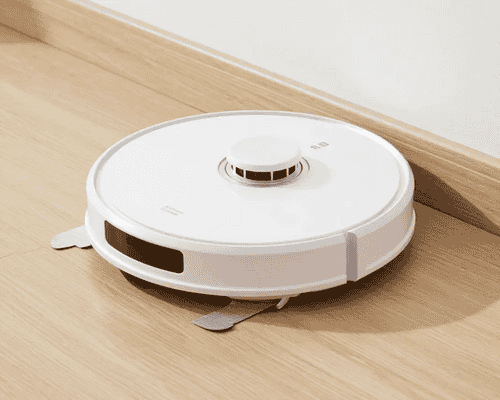
If your vacuum suddenly shuts off, smells hot, or feels unusually warm, you’re not alone. Vacuum cleaner overheating is one of the most common issues homeowners face yet it’s often misunderstood. Many people assume the vacuum is “broken,” when in reality, the problem is usually fixable.
Overheating not only interrupts cleaning but can also shorten the motor’s lifespan. Worse, repeated overheating may lead to costly repairs or full replacement. Understanding the causes and knowing when to repair or replace helps you protect your investment and choose the best vacuum cleaner for your home.
This guide explains the real reasons behind vacuum overheating, practical solutions you can apply immediately, and buying advice to help you get the best vacuum cleaner price without compromising quality.
What Does Vacuum Cleaner Overheating Mean?
Vacuum cleaner overheating happens when the motor works harder than designed and exceeds safe operating temperatures. Modern vacuums include thermal cut-off switches that automatically shut the machine down to prevent permanent damage.
Common warning signs include:
- Sudden automatic shutdown
- Hot or burning smell
- Reduced suction power
- Warm air blowing from vents
Ignoring these signs can turn a small maintenance issue into a major repair.
Top Causes of Vacuum Cleaner Overheating
1. Clogged or Dirty Filters (Most Common Cause)
Filters trap dust and allergens, but when they’re clogged, airflow drops sharply. The motor compensates by working harder, leading to overheating.
Solution:
- Wash reusable filters every 2–4 weeks
- Replace HEPA filters as recommended by the manufacturer
2. Blocked Hose or Air Path
Hair, debris, or small objects often lodge inside hoses and air channels. Even partial blockages can strain the motor.
Solution:
- Disconnect the hose and inspect it manually
- Use a broom handle or flexible cleaning rod to clear debris
3. Overfilled or Poorly Maintained Dust Bin
When the dust bin is full, air circulation suffers. This is especially common in bagless models.
Solution:
- Empty the bin after every major cleaning session
- Clean the bin walls to remove fine dust buildup
4. Tangled or Jammed Brush Roll
Hair and threads wrapped around the brush roll create resistance, forcing the motor to overwork.
Solution:
- Cut away hair and fibers weekly
- Ensure the brush spins freely before use
5. Extended Continuous Use
Even the best vacuum cleaner needs rest. Running it continuously for long periods can trigger overheating.
Solution:
- Let the vacuum cool down after 20–30 minutes of use
- Clean in sections rather than all at once
6. Failing or Worn Motor (Long-Term Issue)
Older vacuums or low-quality models may have motors that degrade over time.
Solution:
- Professional servicing may help
- If repairs cost too much, replacement is more economical
Immediate Steps to Fix an Overheating Vacuum Cleaner
Follow these steps safely:
- Turn off and unplug the vacuum
- Let it cool for at least 30 minutes
- Clean or replace filters
- Empty the dust bin
- Check for hose and brush roll blockages
In most cases, these steps restore normal operation.
How to Prevent Vacuum Cleaner Overheating Long-Term
Preventive care is cheaper than repairs.
Best practices:
- Perform weekly basic cleaning
- Follow manufacturer maintenance schedules
- Avoid vacuuming wet debris unless designed for it
- Store the vacuum in a cool, dry place
Regular maintenance keeps suction strong and extends motor life.
When Should You Replace Instead of Repair?
Sometimes, replacement makes more sense than repair—especially if overheating happens frequently.
Replace your vacuum if:
- The motor overheats repeatedly despite cleaning
- Repair costs exceed 40–50% of a new unit
- The vacuum lacks modern airflow and cooling design
At this point, investing in the best vacuum cleaner available at the best vacuum cleaner price becomes the smarter choice.
How to Choose the Best Vacuum Cleaner to Avoid Overheating
When shopping, focus on features that reduce overheating risk:
Key buying factors
- Advanced airflow design
- Washable or long-life filters
- Thermal overload protection
- Energy-efficient motors
- Easy-access maintenance parts
FAQs: Vacuum Cleaner Overheating
1. Is vacuum cleaner overheating dangerous?
Overheating itself isn’t usually dangerous due to safety cut-offs, but ignoring it can damage the motor permanently.
2. Can a dirty filter really cause overheating?
Yes. Restricted airflow is the leading cause of vacuum cleaner overheating.
3. How long should I let my vacuum cool down?
At least 20–30 minutes before restarting.
4. Does higher wattage mean more overheating?
Not necessarily. Efficient airflow matters more than raw power.
5. How often should I clean my vacuum?
Basic cleaning weekly, deep maintenance monthly.
Conclusion
Vacuum cleaner overheating is usually a warning sign that airflow is restricted, maintenance is overdue, or the appliance is no longer suited to your cleaning needs. While regular filter cleaning and proper usage can prevent many issues, long-term performance depends on choosing the best vacuum cleaner with efficient cooling, durable components, and modern safety features. A well-chosen vacuum not only cleans better but also reduces breakdowns and extends product life.
That’s why myG is a reliable choice for buying vacuum cleaners both online and offline. With 140+ showrooms across India, myG gives customers the advantage of expert guidance, hands-on product comparison, and dependable after-sales support. Combined with competitive pricing and trusted brands, myG helps you find the best vacuum cleaner price with complete confidence and peace of mind.
 Earphones