 New Arrival
 Mobile Phones
 Tablets
 Laptop
 TV
TV Accessories
 Home Appliances
 Air Conditioners
 Small Appliances
 Personal Care
 Home Automation
 Refrigerators
 Crockery
 Pressure Cookers
 Induction Cooktops
 Electric Kettles
  Air Fryer
 Chopper
 Wet Grinders
 Chimney
 Dish Washers
 Hand Blenders
 Ovens /Toasters /Grillers
 Gas Stoves
 Pots & Pans
 food-processor
 Dining-and-serveware
 Electric-cookers
 Fans
Fans Irons
Irons Water Heaters
 Water Purifier
 Air Coolers
 Vacuum Cleaners
 Sewing Machines
 Voltage Stabilizers
 Inverters
 Emergency Lights
 Water Dispenser
 Air Purifier
 Torch
Torch Mobile Accessories
 Smart Wearables
 Speakers
 Computer Accessories
 Camera Accessories
 Gaming & Accessories
 Entertainments
 Graphics Cards
 Microphone
 Car & Bike Essentials
 Power Banks
 Connectors
 Memory Cards
 Mobile Chargers & Cables
 Mobile Holders
 Smart Bands
 Sound Bars
 Home Theatres
 Portable/Trolley Speakers
 External Hard Disks
 Pendrives
 Mouse
Mouse Keyboards
 Web Cams
 USB Hubs
 Printers
 Monitor
 Network components
 Laptop-Tables
 Tripods
 Gaming Consoles
 TV Streaming Devices
 Smart Assistants
 FM Radio
 Shavers
 Hair Dryers
 Hair Straighteners
 Perfume
 Electric Toothbrush
 Projectors
 Smart Security Accessories
 Wi-Fi Camera
Difference Between Normal Washing Machine and Premium Washing Machine
This article explains the main differences between normal and premium washing machines. It covers how washing machines have evolved from basic models to smart, connected appliances. You’ll learn about their prices, key features, performance, and energy efficiency. Whether you’re looking to buy your first washing machine or upgrade to a smarter model, this guide helps you choose the right one for your needs and budget.
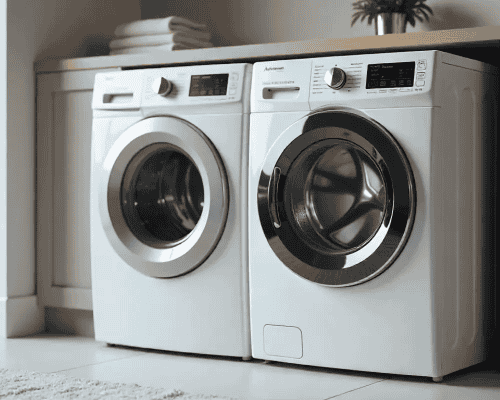
The variety of washing machines available today can easily confuse any buyer. From compact models designed for small apartments to premium, Wi-Fi-enabled machines that can be controlled through smartphones, the market offers something for every budget and lifestyle.
Understanding what sets a regular washing machine apart from a high-end one helps you make an informed choice whether you’re upgrading your laundry setup or buying your first machine.
The Evolution of Washing Machines: From Basic to Smart
Early Models: Manual Controls and Basic Cycles
Traditional washing machines were simple and manual. Users had to set timers, add detergent manually, and often transfer clothes from washer to dryer. While they did the job, these machines lacked efficiency and used more water and energy.
Rise of Smart Washing Machines: Convenience Meets Innovation
Fast forward to today, and washing machines are smarter than ever. Premium models can detect load weight, adjust water levels automatically, and even suggest optimal wash cycles through AI technology. This shift toward intelligent automation defines the smart washing machine vs. regular debate.
Understanding Washing Machines and Prices in Today’s Market
Entry-Level Washing Machines: Affordable and Functional
Basic washing machines typically range from ₹10,000+. They’re durable, easy to use, and perfect for small households. However, they lack advanced features like automatic detergent dispensers or app connectivity.
Mid-Range Washing Machines: Balance Between Cost and Features
Priced between ₹15,000 – ₹35,000+, mid-tier machines offer better energy efficiency, multiple wash programs, and quieter operation—ideal for families seeking balance between performance and price.
Premium Washing Machines: High-End Features and Build Quality
Premium models cost starting at ₹35,000+, featuring smart sensors, steam cleaning, Wi-Fi controls, and self-cleaning technology. Though expensive, they promise long-term savings and convenience.
Smart Washing Machine vs. Regular: Key Differences Explained
Design and Build Quality Comparison
Regular machines use standard materials and basic finishes, while premium models often feature stainless-steel drums, sleek touch panels, and noise-absorbing casings for a more luxurious feel.
Washing Efficiency and Water Usage
High-end machines optimize water levels automatically and ensure cleaner washes with less detergent. Regular ones rely on preset cycles and consume more resources.
Energy Consumption and Sustainability
Premium washers typically include inverter technology, reducing energy use by up to 30%. They also have higher Energy Star ratings, making them environmentally friendly.
Noise Levels and Vibration Control
Expensive machines feature advanced balancing systems and brushless motors, ensuring whisper-quiet operation—a big plus for apartment living.
Technology and Connectivity Features
Smart models connect to apps, allowing remote control and cycle tracking. Some even integrate with Alexa or Google Home, turning laundry into a hands-free task.
Top Features of Premium Washing Machines.
AI-Based Load Detection and Auto Dosing
This feature calculates fabric weight and automatically dispenses the exact amount of detergent and softener—saving money and preventing overuse.
Steam Cleaning and Hygiene Features
Steam washing eliminates bacteria and allergens, making it ideal for sensitive skin and baby clothes.
Smart App Integration and Remote Operation
Control your wash from anywhere, receive notifications when a cycle ends, and troubleshoot issues remotely through smart apps.
Inverter Motor and Long-Term Durability
Inverter motors adjust speed based on load, minimizing wear and extending machine lifespan significantly compared to traditional motors.
Maintenance and Lifespan: Regular vs. Premium Washing Machines
Expected Lifespan and Warranty Coverage
Basic washers typically last 6–8 years, while premium ones can exceed 12–15 years, often backed by longer motor warranties.
Repair Costs and Spare Part Availability
Although high-end machines can cost more to repair, they’re built with durable components and often require less frequent maintenance.
When Does It Make Sense to Buy a Premium Washing Machine?
Family Size and Frequency of Use
Larger households or frequent laundry users benefit from premium models with bigger capacity and faster spin cycles.
Long-Term Energy Savings Considerations
While the initial cost is high, the lower water and energy bills pay off in the long run.
Lifestyle and Convenience Preferences
If you value automation, connectivity, and hygiene, a premium washing machine is a practical upgrade.
Budgeting Tips for Buyers: How to Choose Smartly
Comparing Brands and Specifications
Always compare energy efficiency ratings, warranty terms, and drum size before you buy washing machine models.
Finding the Right Balance Between Price and Performance
Mid-range models often offer the best mix of durability and smart features without breaking the bank.
Top Brands Offering Value Across Price Segments
Brands in the Budget Category
Brands like Whirlpool, Haier, and Godrej are known for reliable and cost-effective models.
Leading Premium Washing Machine Brands
LG, Samsung, Bosch, and IFB dominate the premium segment with innovative designs and smart features.
FAQs
1. Are expensive washing machines really worth it?
Yes, they provide better energy efficiency, durability, and smart features that justify their higher cost.
2. What is the average lifespan of a premium washing machine?
Typically 12–15 years with proper maintenance.
3. Do smart washing machines require Wi-Fi to function?
No, they can operate offline, but Wi-Fi enhances convenience.
4. How do I know if a washing machine is energy-efficient?
Check for the Energy Star or 5-star rating on the label.
5. Which type is best for large families?
Front-load, high-capacity smart washers are ideal for families with heavy laundry loads.
6. What’s the best time to buy washing machines?
Festive seasons or clearance sales usually offer the best discounts.
Conclusion:
The right washing machine depends on your lifestyle, family size, and long-term goals. While normal washers are budget-friendly and simple, premium models deliver superior performance, hygiene, and convenience.
Before you buy a washing machine, assess your laundry habits and compare features carefully. Investing a little more upfront can bring significant savings and comfort—in the long run.
 Earphones